Continuing the theme from last week and Tuesday, there was yet another economic reality bath delivered yesterday.
The Reserve Bank’s Monetary Policy Statement started from the proposition that we are in the early stages of an economic recovery.
The Bank is also saying that the days of booming house prices are over and that the economy will now have to rely on jobs and wages for household spending to grow.
At the same time the Bank’s Chief Economist has hit back at suggestions from the Finance Minister that its reviews of its actions during Covid were “window dressing” and “marking their own homework.”
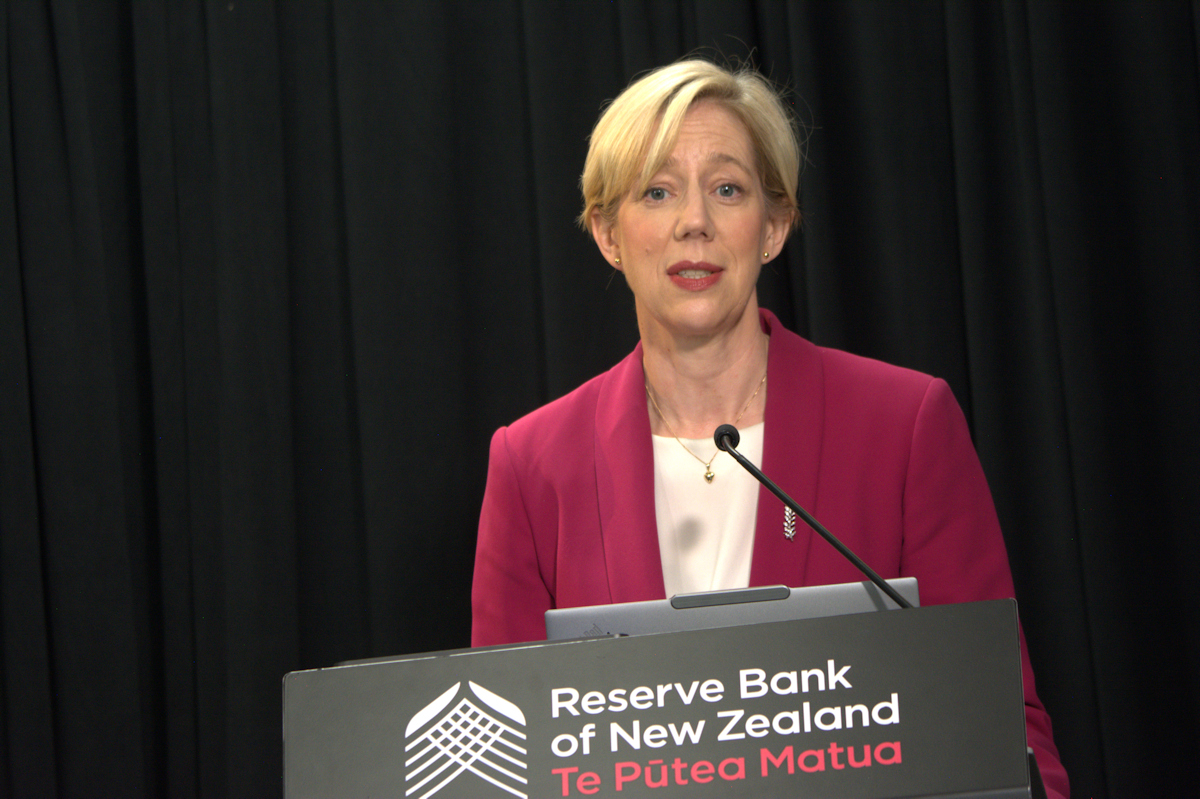
But yesterday, unveiling the first Monetary Policy Statement for the year, the new Bank Governor stressed the tentative nature of the recovery and the Bank’s intention to remain “accommodative” it, so it held the Official Cash Rate (OCR) at 2.25 per cent.
“Many businesses are still struggling, but what we are saying is that the data is showing us that we are at the early stages of a recovery, and we want to keep the OCR on hold to support the recovery while ensuring that inflation falls back to target, said the Governor, Anna Breman.
“But we’re not planning on hiking the OCR until we see more inflationary pressures and a stronger economy. That’s the best projection we can do right now.”
Even so, the Bank is raising its OCR projections from December by 0.1 per cent per quarter out to the end of 2028.
Bank economists were yesterday interpreting this to mean December would see a rate rise with increases at most quarterly Monetary Policy Committee meetings from then on.
With this comes a forecast of lower house price increases, and it is the consequences of that which will change the economic outlook and bring an end to the kind of housing sugar-hit which saw prices rise 75 per cent between 2008 and 2020.
That was one of the big forces behind the “rock star” economy, which kept the Key Government in power.
The Luxon Government is not going to get the same rocket boost.
Breman said that without the wealth effect from high house prices, households were being very cautious.
“We have seen that the supply of new homes is relatively high,” she said.
“We do expect to see house prices stabilise and go up over the medium term, but we don’t expect the same fast rise in house prices.”
That will mean that future economic growth will come less from household spending as a product of the wealth effect of rising house prices and more from growth in the labour market, both job numbers and wages.
In a way, the Bank was saying the sugar-hit years between 2008 and 2020, when house prices went up by 75 per cent, are over.
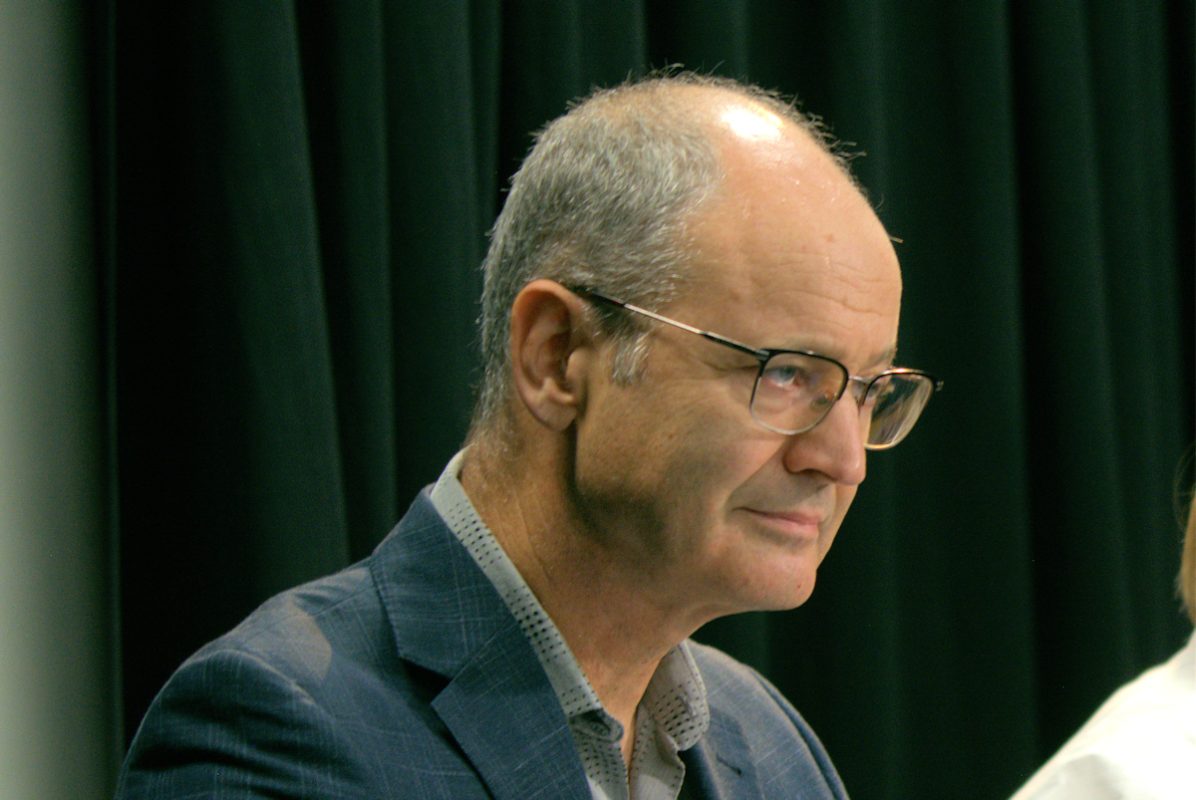
“This is a big change for the New Zealand economy, and that’s why we’re highlighting a downside risk to consumption, or to household spending without that kicker from the housing market,” said the Bank’s Chief Economist, Paul Conway.
“We think that household spending is going to become more dependent on what happens in the labour market rather than what happens in the housing market.
“And given that we’ve got a pick-up in the labour market, given lower interest rates, we think that is going to modestly increase house prices going forward.”
Conway said lower interest rates would drive growth.
(The Bank is projecting the OCR to rise to 3.0 per cent by March 2029. In March 2024, it was at 5.5 per cent.)
“It’s going to come from lower interest rates and, as the Governor is saying, we’re starting to see it already,” he said.
“We’re seeing growth broadening out of that ag sector, out of regional New Zealand, into some of the metropolitan centres, into the manufacturing sector, and construction is starting to get a bit of its mojo back because of low interest rates.”
But it is a different growth.
“It’s a big change for the New Zealand economy to not have that increase in house prices as that kicker to aggregate demand in our economy,” hes aid.
“There may well have been structural changes in the housing market.
“That means an increase in demand for housing no longer equates with higher house prices; it equates with more activity, more construction.
“So monetary policy still works through that channel.
“But then consumption is getting driven by a relatively different set of factors, which is lower interest rates and what’s going on in the labour market.”
Finance Minister Nicola Willis appeared to have absorbed the Bank’s message when she answered a question on the economy during Question Time in Parliament yesterday.
“At some point, as the economy strengthens, the Reserve Bank will start the process of normalising monetary policy—easing off the accelerator a little as less stimulus is required to support growth,” she said.
“When to do that is entirely a matter for the Reserve Bank, which will be guided by its mandate and by the data.”
Her affirmation of the independence of the Bank was interesting, given that only six days ago, she was bagging them for a mandatory review they had done of the 2017-2022 period, which included the period of the $55 billion of borrowing for the Large Scale Asset programme.
Breman said the review found the “large-scale asset purchase programme was successful in correcting financial market dysfunction and reducing long-term interest rates”.
But it also found that “in hindsight, earlier, or stronger monetary tightening could have curbed the subsequent hike in inflation,” Breman said.
Willis was not impressed.
“The Reserve Bank went through a window-dressing exercise of doing their own review of what they’d done, and gave themselves essentially full marks at the time,” she said.
“In opposition, I was frank. I said they’ve marked their own homework, that’s not good enough. If I was the finance minister, I would commission an independent review, and that’s what I’ve done.”
So, the Bank faces another review of its actions over Covid.
Breman was not at the Bank during Covid, but Conway was, and he offered a strong defence of the original review.
“That review that we did in 2022 was a very honest assessment. It was independently reviewed by two global economists, and it kicked off a big chunk of our research agenda that’s been in play since then,” he said
“We’ve pushed our knowledge out to the global frontier, and we’ve got a lot from it, and we put a lot into it.
“I suggest people read the 2022 review and the mini run (a partial review of the tightening cycle) that we did last year to decide whether or not that’s a window dressing exercise or a legitimate effort from a central institution to be a learning institution.”
Willis has commissioned another review of the Bank’s performance over the same Covid period and timed its report back for September, just before the election campaign begins.
There is a danger that this could drag the Bank into the politics of the election campaign.
But based on her performance so far, it would seem Breman is more than capable of resisting that.